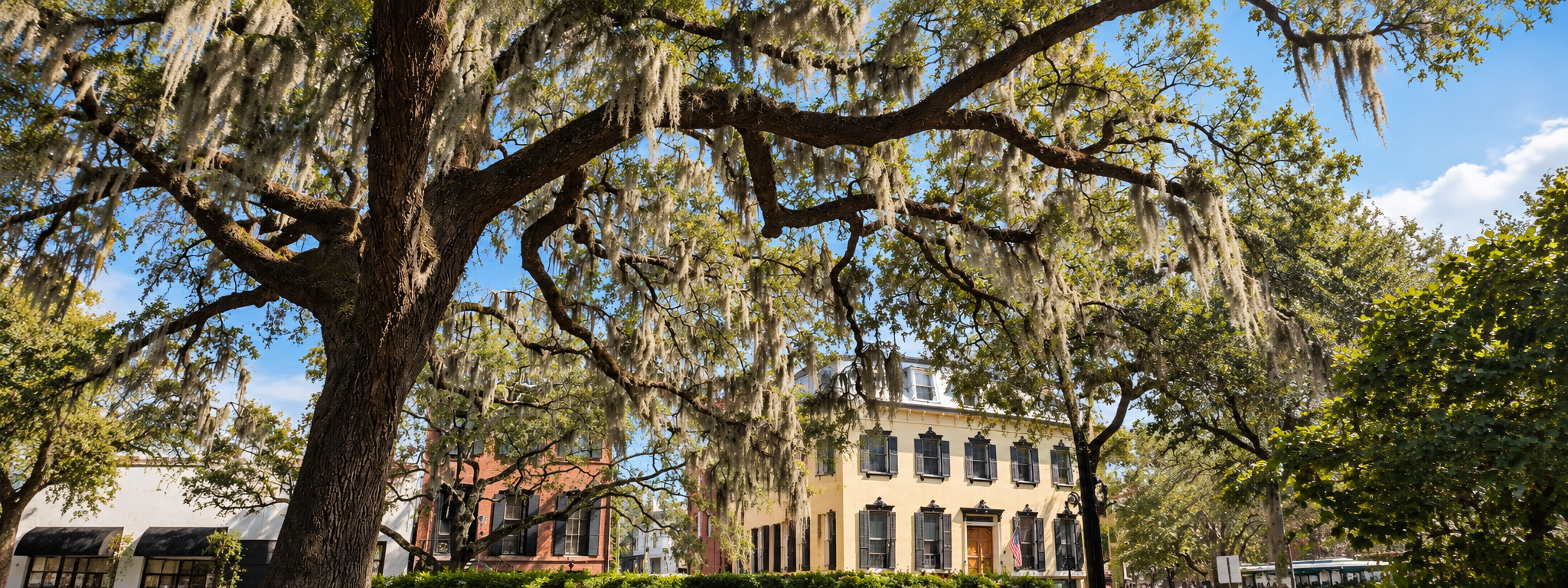
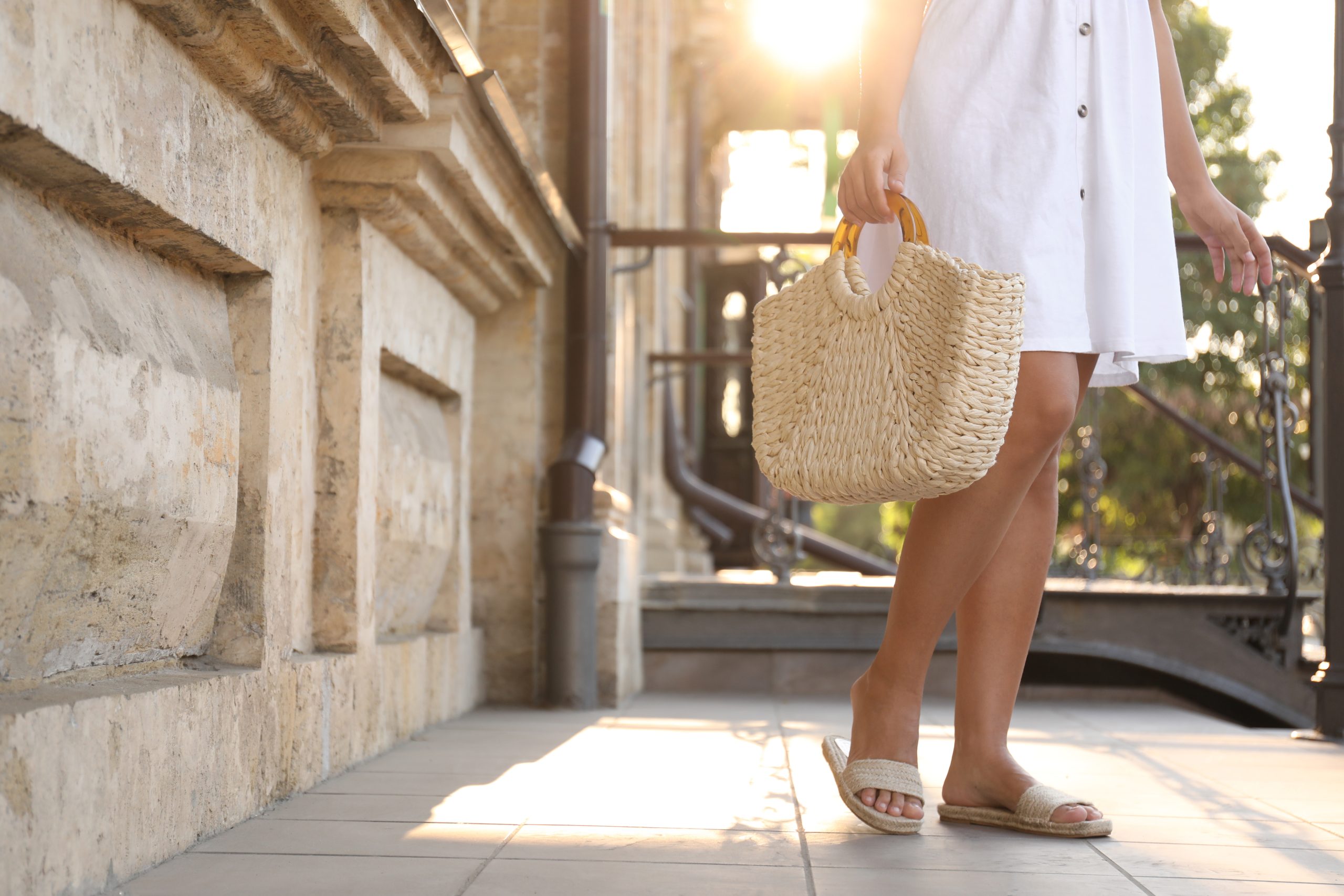
Charleston summers reach 90°F with humidity approaching 79%. Skip anything tight, synthetic, or fully lined. Reach for linen, lightweight cotton, and garments that hang loose instead of clinging — that’s essentially the whole strategy.
If you’ve never experienced Charleston humidity in July, we genuinely can’t explain it adequately. You simply have to stand on East Bay Street for five minutes and watch your blowout surrender completely.
We’re Holy City based. That means we’ve committed every heat-related fashion mistake imaginable. We’ve worn skinny jeans to a June wedding. We’ve learned, through unfortunate experience, that a “breathable” dress with a polyester lining doesn’t actually breathe for anyone. This guide is what we wish someone had handed us years ago.
Why Charleston Summers Feel Different
Charleston doesn’t just get hot. It gets heavy. Average highs run around 88°F in June and climb to about 90°F in July, our hottest month, according to climate data from Weather and Climate. Humidity follows the same curve. It peaks in August at roughly 79%, with the yearly average sitting around 72%.
That combination is why the air can feel like 100°F-plus even when the thermometer says otherwise. Meteorologists call this the heat index, and it factors in humidity along with temperature. Sweat doesn’t evaporate well when the air is already saturated with moisture. So your clothes stay damp longer, and everything clings.
There’s also a regional quirk locals know well. Downtown, on the peninsula, buildings and pavement trap warmth and make the air feel stagnant. Head toward the beaches or the marsh, and a steady breeze often cuts the stickiness a degree or two, even when the humidity reading is identical. It’s a small distinction, but it explains why the same outfit feels fine on Folly Beach and unbearable on King Street an hour later.
Planning a trip? You can dodge the worst of it. Our locals’ honest take on the best time to visit Charleston breaks down which months feel genuinely livable. Short version: April, May, and October are far more forgiving than July ever will be.
The Fabric Rule: What Actually Breathes in This Heat
Here’s the part most packing lists overlook entirely. Not all “summer fabric” is created equal.
Linen is the gold standard. It’s woven loosely, so air circulates through it continuously. It absorbs moisture and dries quickly. On a humid day, that matters more than almost anything else, according to Loom & Fiber’s breakdown of the best fabrics for humid weather. Yes, it wrinkles easily. That’s the tax you pay for comfort. Honestly, a little wrinkle reads as effortless in this particular town.
Lightweight cotton is our second pick. Cotton voile, lawn, and gauze all move air well and feel soft against sticky skin. Chambray works too, especially for a slightly dressier look.
Seersucker deserves a mention here, because it’s basically built for exactly this climate — that puckered weave keeps fabric off your skin on purpose. We’ve already written a full love letter to it, so we won’t repeat ourselves. Read our deep dive on seersucker if you want the full story on why it’s a Charleston uniform staple.
What to avoid: anything synthetic, anything lined without breathable material, and — regrettably — most denim. Polyester and nylon trap heat against your skin instead of allowing it to dissipate. A beautiful dress with an inexpensive polyester lining will make you miserable by lunchtime.
Silhouette Over Everything: Loose, Not Baggy
Fit matters as much as fabric. Tight clothing traps a layer of heat and sweat directly against your skin. Loose clothing creates airflow underneath it, which is what actually regulates your temperature.
According to Inside Out Style’s guide to dressing for hot, humid climates, you should skip drawstrings and tight elastic waistbands. Both trap sweat right at your midsection. Flowy skirts, wide-leg pants, and shirts that hang away from the body all perform better.
There’s a difference between loose and baggy, though. Loose means room to breathe. Baggy means shapeless. A relaxed linen shirt tucked loosely into wide-leg trousers looks intentional. The same shirt worn like a tent does not.
Hemlines matter too. Aim for something that hits at or above the knee. Fabric trapped under your legs while you sit in a car or a pew gets hot fast.
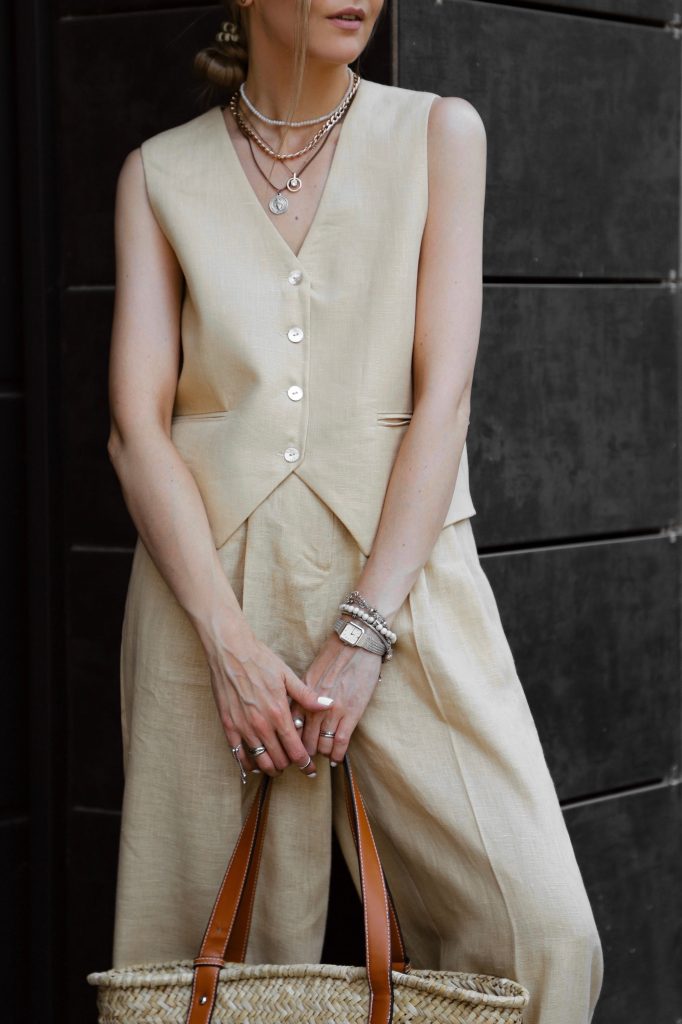
Structure still counts, though. A boxy linen shirt paired with tailored, wide-leg trousers reads polished, not sloppy. Loose on top, intentional on the bottom — that contrast separates “effortless” from “I gave up.” Charleston style has always rewarded a little structure, even during a sweltering August afternoon.
Color and Print Strategy for Sweat Season
Light colors reflect heat instead of absorbing it. White, cream, soft blue, and pale pastels are your allies here — and they happen to photograph beautifully against Charleston’s pastel house facades too.
Prints have a practical function as well. A busy floral or gingham camouflages sweat marks far better than a solid navy or gray. If you’re nervous about visible perspiration at an outdoor event, reach for pattern before plain.
Dark colors aren’t banned entirely. Just know they’ll show more, and they’ll feel noticeably warmer standing in direct sun on a June afternoon.
Building a Capsule: Our Go-To Charleston Summer Uniform
We rotate the same handful of pieces all summer long, and it lines up closely with what other local Charleston packing guides recommend too. Here’s the lineup:
- A linen or cotton shirtdress, worn loose, hem at the knee.
- Wide-leg linen or cotton trousers, for the days you want pants minus the sticky-leg problem.
- A lightweight button-down in chambray or voile, sleeves rolled, worn open over a tank.
- One breathable sundress in a bold print, for hiding sweat and looking pulled together fast.
- Leather or canvas sandals, never anything synthetic against bare, sweaty feet.
Layer in a wide-brim straw hat and you’ve solved sun and hair-flatness in one move.
Beyond Clothes: Small Fixes That Help
Layer in a wide-brim straw hat and you’ve solved sun and hair-flatness in one move.
Choose leather, canvas, or cotton footwear over synthetic sandals. Synthetic soles and straps trap heat against sweaty feet and can cause blisters quickly. Open-toe styles also allow heat to escape instead of accumulating.
Protect your hair before the humidity starts styling it for you. A lightweight leave-in product with anti-frizz properties helps. Or simply embrace a low bun or a loose braid. Either option saves you from fighting the atmosphere all day long.
Carry a small handheld fan, or a portable battery-operated one, for outdoor events. It sounds excessive until you’re standing at an outdoor wedding in July. Then it instantly becomes the smartest accessory in your bag. A wide-brim straw hat performs double duty, blocking sun and shading your face without generating heat the way a baseball cap does.
Finally, mineral sunscreen tends to hold up better than chemical formulas once perspiration sets in, so it’s worth the switch for long days outdoors.
Dressing Up Without Melting: Weddings, Events, and Nights Out
Charleston loves a summer wedding, and summer weddings love to test your fabric choices. Headed to one? Our full guide to wedding guest attire by season in Charleston has specific outfit breakdowns. The short version follows everything above. Choose a breathable, structured dress instead of stretchy jersey. Skip anything with a heat-trapping lining.
For evening events on a rooftop or a plantation lawn, a linen jumpsuit or a lightweight midi dress in a bold print does double duty. It looks event-appropriate and survives the walk from the parking lot.
A Note on Style, Not Just Survival
None of this means sacrificing your aesthetic for comfort. Charleston style has always leaned toward the classic and slightly fussy — think monogrammed totes, grosgrain ribbon, and a general devotion to looking impeccably put together. If that’s your sensibility, our piece on grandmillennial and monogram style demonstrates how to maintain that polish even at 95 degrees. The trick is selecting breathable versions of pieces you already love, not abandoning the look entirely.
Good summer dressing isn’t really a compromise. It’s a genuine skill. Once you’ve mastered the fabric and fit fundamentals, everything else — color, print, accessories — becomes purely enjoyable.
Quick Answers
What should I wear in Charleston in the summer? Loose linen or lightweight cotton in light colors works best. Skip synthetics, tight elastic, and heavily lined garments.
What’s the hottest, most humid month? July brings the highest temperatures, while August delivers the peak humidity, according to local climate averages.
Is linen genuinely good for humidity? Yes, absolutely. It’s loosely woven, so air circulates through it and moisture evaporates quickly.
Want more of this — genuine Charleston answers, no fluff, no generic SEO-farm filler? Browse our full Style category for additional Lowcountry-tested outfit guides, and subscribe below. We send one newsletter weekly, packed with what we’re actually wearing, eating, and exploring around town. No spam, no 47-slide listicles. Just the Holy City, delivered straight from us to your inbox.