The public is more familiar with
bad design

Blog Best Time to Visit Charleston: A Local’s Honest Take, Month by Month

Best Time to Visit Charleston: A Local's Honest Take, Month by Month

The best time to visit Charleston is April through early June or October through early November, when temperatures sit in the 60s and 70s and humidity hasn’t taken over yet. Skip late July through September if you can. That stretch brings the worst heat, the highest humidity, and the peak of hurricane season.

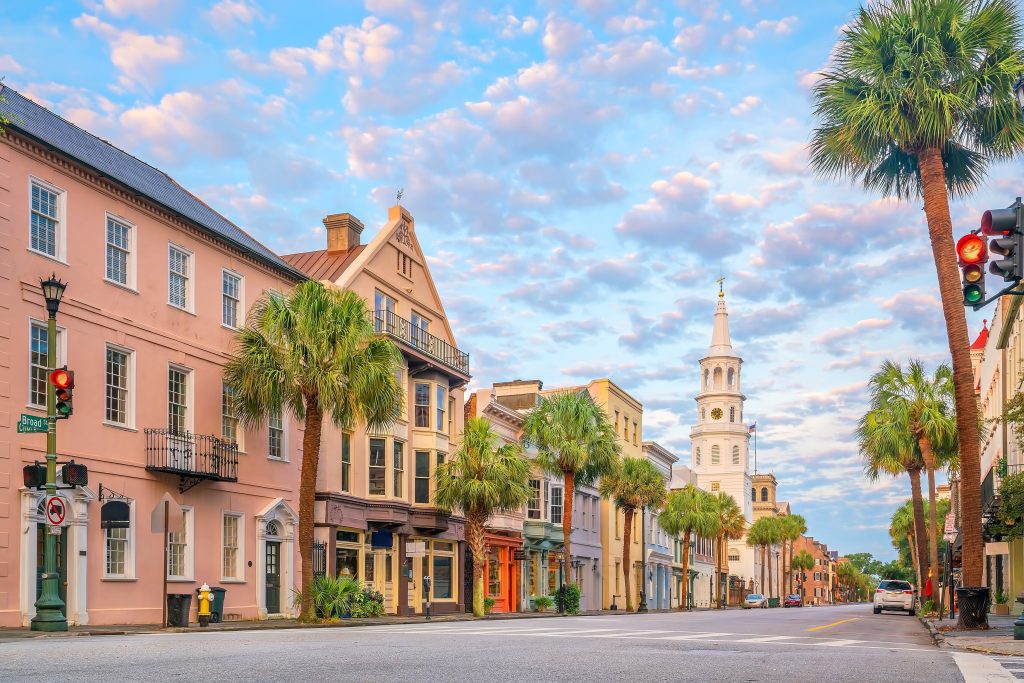
We’ve lived here long enough to know the tourism brochures lie a little. Every month in Charleston gets called “charming.” Every season gets a soft-focus photo of King Street. But if you’ve ever walked from Marion Square to the Battery in August, sweat-soaked before you hit the second block, you know some months earn an honest warning label.

We’re Holy City based. We chose the South, humidity and all. That means we get to tell you the truth about it. Here’s our real, month-by-month read on when to book your Charleston trip, and when to maybe wait.

The best time to visit Charleston.

The Short Answer: Charleston's Best Months

If you only remember one thing, remember this. Late March through mid-May, and again from early October through mid-November, are the sweet spots. Temperatures are mild. Humidity is manageable. The gardens and marshes look their best. Yes, these are also the most popular (and most expensive) times to visit. That trade-off is worth it.

Month

Vibe

Avg. High / Humidity

Verdict

January

Quiet, cool, cozy

~59°F, low humidity

Great for budget trips

February

Mild, art-focused (SEWE)

~62°F, driest air of the year

Great, especially for SEWE

March

Blooming, buzzing (Wine + Food)

~68°F, humidity climbing

Great, but crowded and pricey

April

Peak spring, tennis in town

~75°F, still comfortable

Best month, but book early

May

Warm, Spoleto energy

~81°F, humidity rising fast

Good early, gets sticky late

June

Hot, Spoleto wraps, hurricane season starts

~87°F, humid

Okay, watch the forecast

July

Peak heat, family travel season

~90°F, very humid, wettest month

Avoid if you can

August

Hottest, most humid, storm risk

~89°F, most humid month

Avoid

September

Still hot, peak hurricane risk

~85°F, humid

Avoid unless you’re flexible

October

Cooling off, MOJA Festival

~77°F, driest month, storm risk lingers

Great after mid-month

November

Crisp, driest air, holiday lights begin

~68°F, low rain

Great

December

Mild, festive, quieter

~60°F, comfortable

Great for holiday travel

Winter in Charleston: The Underrated Off-Season (December–February)

Winter is Charleston’s best-kept secret. Temperatures rarely drop below the 40s at night, and most days climb into the high 50s or 60s. You won’t need a heavy coat. You will want a light jacket for evenings.

December brings the Holiday Festival of Lights at James Island County Park, running nightly from mid-November through New Year’s Eve. Downtown gets dressed up for the holidays without the summer crowds. Hotel rates dip outside the Christmas week itself.

January is Charleston at its calmest. Streets are walkable. Restaurants take same-day reservations. It’s the best month for a slow, food-focused weekend if you don’t mind cooler air.

February has one real standout event: the Southeastern Wildlife Exposition (SEWE), held in Marion Square each mid-February. It’s one of the largest wildlife art and nature festivals in the country, and it fills downtown hotels fast. February also has the lowest average humidity of the year, which locals genuinely notice. The air just feels lighter.

Winter's honest downside

Some restaurants and tour operators cut hours in the dead of winter. A few close for a week or two around the holidays. Call ahead if you have a specific spot in mind.

Spring in Charleston: Peak Season for Good Reason (March–May)

Spring is when Charleston earns its reputation. Azaleas and wisteria bloom. The Lowcountry air smells like jasmine instead of asphalt. This is also, unsurprisingly, when everyone else wants to visit.

March kicks off with the Charleston Wine + Food Festival, typically held in early March, drawing chefs and food lovers from across the country. Expect packed restaurants and premium hotel pricing. Spring break travelers also start showing up mid-month.

April is, in our honest opinion, the single best month to visit Charleston. Highs sit in the mid-70s. Humidity hasn’t turned oppressive yet. The Credit One Charleston Open, a WTA tennis tournament, brings extra energy to the city in late March and early April. Book your hotel and dinner reservations well ahead. Everyone else has the same idea.

May is still lovely for the first three weeks, then humidity starts creeping in. Spoleto Festival USA, Charleston’s beloved performing arts festival, usually opens in mid-to-late May and runs into early June. It’s 17 days of opera, dance, theater, and outdoor concerts across the historic district. It’s magical. It’s also crowded, and hotel prices climb accordingly.

Why April might be Charleston's best month

Nothing beats April’s balance of comfortable heat, blooming gardens, and pre-peak humidity. The only catch is cost. Book your downtown Charleston hotel at least two to three months out.

Summer in Charleston: The Season We're Being Honest About (June–August)

Here’s where we stop being polite. Summer in Charleston is genuinely hard on visitors who aren’t used to it. This is a swampy, subtropical city, and summer is when that fact stops being charming.

June starts out fine. Spoleto often wraps in the first week. But June 1 also marks the official start of the Atlantic hurricane season, which runs through November 30. Early June storms are rare, but the window is now open. Humidity climbs through the month, and by late June, afternoon thunderstorms are a daily habit.

July is peak heat. Average highs sit near 90°F, and the heat index (what it actually feels like) regularly climbs past 100°F. July is also Charleston’s wettest month alongside August, with sudden, heavy afternoon downpours almost every day. It’s still a popular month, mostly because families travel when kids are out of school. We’d call it tolerable, not ideal.

August: the month we'd skip

If you take one piece of advice from a local, take this one. Avoid August if you can. It is Charleston’s hottest and most humid month, and it’s also deep in the highest-risk window for tropical storms and hurricanes. Walking three blocks can leave you drenched in sweat. Add in the real chance of a tropical system disrupting flights or flooding streets, and August is simply the hardest month to enjoy this city as a visitor. We say this as people who live here year-round and still complain about it every single year.

Fall in Charleston: The Second Peak Season, With a Catch (September–November)

Fall is Charleston’s other golden window, but it starts later than most people expect.

September still feels like summer. Highs hover in the mid-80s, humidity stays high, and this month sits inside the most dangerous stretch of hurricane season. The National Hurricane Center puts the climatological peak of Atlantic hurricane activity right around September 10, with the majority of major hurricanes forming between August and October. We’re not saying skip September entirely. We are saying build flexibility into your plans and keep an eye on the tropics.

October is when fall actually arrives. By mid-month, humidity drops noticeably and highs settle into the mild upper 70s. The MOJA Arts Festival, celebrating African American and Caribbean arts and culture, typically runs from late September into early October, with live music, dance, and visual art across the city. October is also technically still within hurricane season, so it’s not entirely risk-free, but the odds improve significantly after the first couple of weeks.

November might be Charleston’s most underrated month. Hurricane season officially ends November 30, humidity drops to its lowest point alongside driest rainfall totals of the year, and the weather turns genuinely crisp and pleasant. The Holiday Festival of Lights typically kicks off in mid-November, giving you a head start on holiday charm without the December crowds.

The hurricane risk you shouldn't ignore

We’re not trying to scare you off a fall trip. We’re saying: buy travel insurance, watch the forecast the week before you fly, and have a backup plan. Most years pass without a direct hit on Charleston. Some years don’t. Either way, it’s not something a “best time to visit” guide should skip over just to keep every month looking sunny.

The best time to visit Charleston.

So, When Should You Actually Book?

If we had to rank it for a first-time visitor, here’s our honest order: April, then October (after the 10th), then November, then March, then May, then December. Everything from late June through September comes with real trade-offs in heat, humidity, or storm risk. That doesn’t mean summer trips are ruined. It means you should know what you’re signing up for, pack accordingly, and maybe plan an afternoon pool break into every itinerary.

Charleston rewards visitors who come prepared. Check our Charleston humidity survival packing guide before any warm-weather trip, and browse our guide to Spoleto Festival week if you’re planning around the arts calendar. However you time it, come hungry, come curious, and maybe come with a portable fan for July.

Ready to plan your trip? Tell us in the comments which month you’re considering, and we’ll point you toward the neighborhoods, restaurants, and events that actually match your dates. Holy City based, honest always. That’s the only way we know how to do this.

Share this post

Subscribe for latest news!

Subscribe now and be the first to access our
enrichingblog posts delivered straight to your inbox!