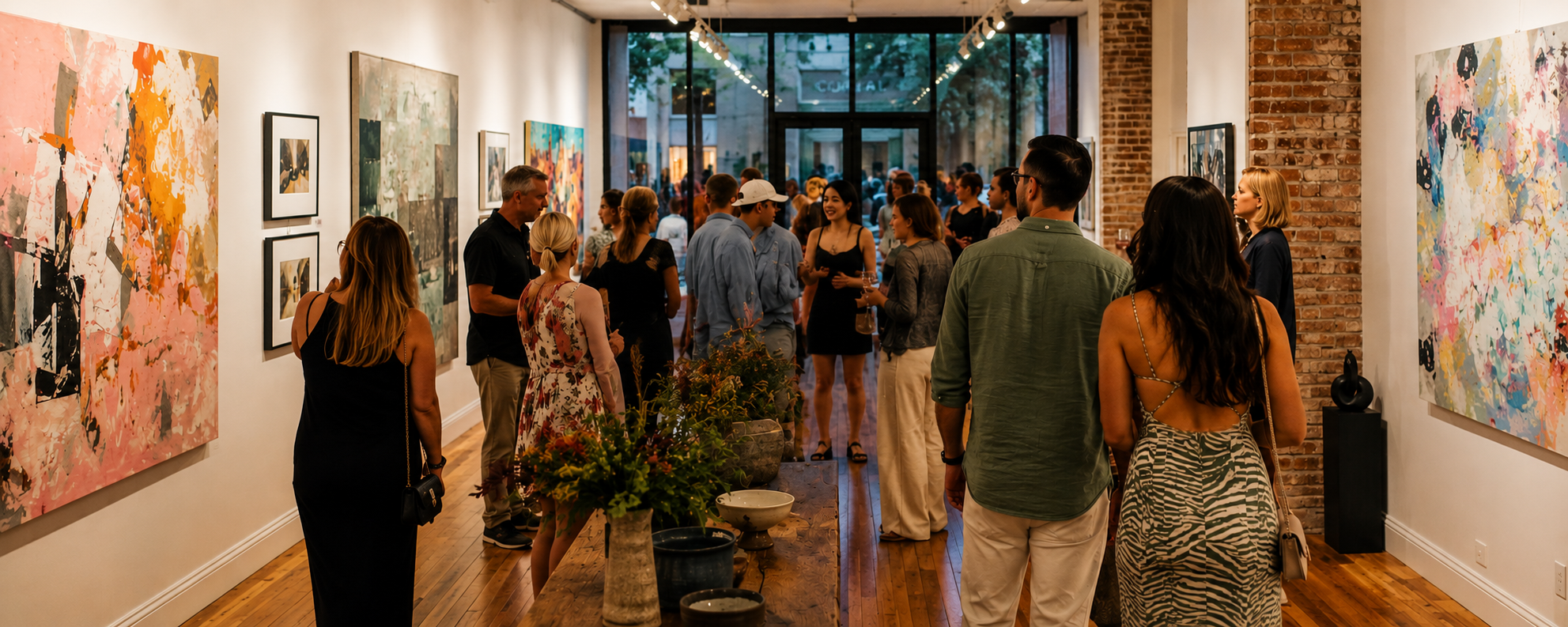
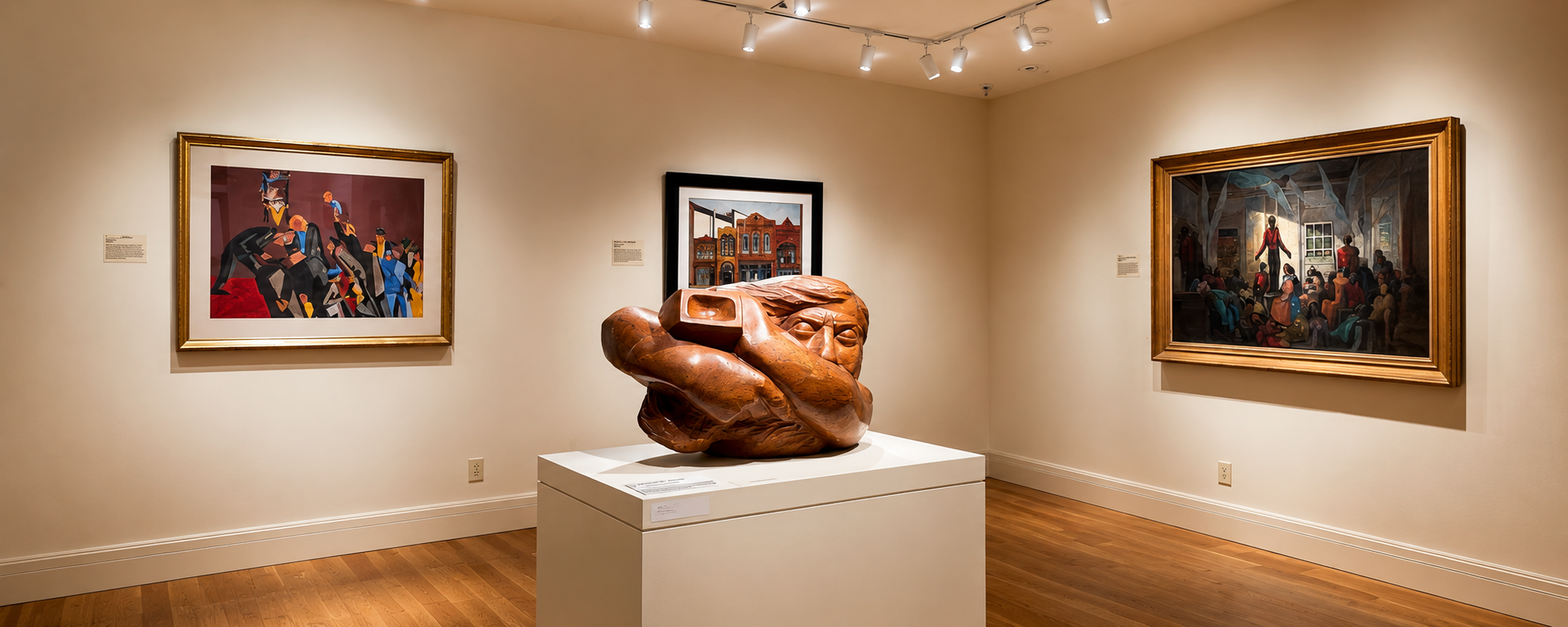
Charleston’s art scene runs from the 1905 Gibbes Museum of Art, known for Southern portraiture and rotating loan exhibits, to the contemporary, non-collecting Halsey Institute at the College of Charleston, plus the artist studios at Redux Contemporary Art Center. Most visits take one to two hours per stop, and the Gibbes offers free admission on Wednesday evenings from 5 to 8 PM.
Charleston’s art museums do not try to compete with the big city institutions, and that is exactly the point. What you get instead is a tightly curated, deeply local story, told across a handful of walkable stops on what locals call Museum Mile.
The Gibbes Museum of Art: Charleston’s Anchor
The Gibbes is the obvious place to start. Established in 1905 and tracing its roots back to the Carolina Art Association’s 1858 state charter, it is among the oldest arts organizations in the country and has shaped American artists’ careers for more than a century.
The museum sits at 135 Meeting Street, two blocks south of the Market, in a Beaux-Arts building that is worth admiring on its own. Inside, the collection moves from colonial-era portraiture to contemporary work, with the second floor holding the permanent collection and the third floor used for rotating exhibits. Recent shows have included everything from Rembrandt loans to a well-reviewed Harriet Tubman exhibition mixing 2D art, video, and sculpture.
Hours: Monday 10am-5pm, Wednesday 10am-8pm, Thursday-Saturday 10am-5pm, Sunday 1pm-5pm, closed Tuesday
Admission: General admission runs around $15, but the first floor gallery is free to the public, and many visitors plan around the free Wednesday evening hours from 5 to 8 PM
Time to allow: 1.5 to 2 hours
The Halsey Institute of Contemporary Art: Charleston’s Edge
If the Gibbes tells Charleston’s art history, the Halsey Institute tells its present tense. Housed at 161 Calhoun Street inside the College of Charleston’s arts building, the Halsey is a non-collecting institute that exists purely to present contemporary work by emerging and mid-career artists, including names some visitors will recognize, like Shepard Fairey.
Since opening in 1983, the Halsey has produced more than 275 exhibitions and shown work from over 2,000 artists, running five to seven shows a year alongside a full schedule of lectures and panels. Because it does not maintain a permanent collection, every visit shows something genuinely different, which makes it worth checking back on.
Hours: Vary by day, generally late morning through late afternoon, with extended Thursday hours
Admission: Free
Time to allow: 30 to 60 minutes
Redux Contemporary Art Center: Where Artists Actually Work
A few blocks north on King Street, Redux is less a museum and more a working studio complex. It is a nonprofit that provides private studios for local artists alongside rotating gallery exhibitions, mural projects, and classes like figure painting and portrait drawing. Entry is free, and there is usually a host on hand who can point you toward whichever artist happens to be working that day.
Time to allow: 30 to 45 minutes
How to Plan a Museum Mile Afternoon
- Start at the Gibbes for the historical foundation, then walk toward the Halsey for contemporary contrast.
- Time a Wednesday visit if budget matters, since Gibbes admission is free from 5 to 8 PM that evening.
- Add Redux if you want to see working studios rather than only finished, framed work.
- Budget two to three hours total if you want to see all three without rushing.
Who Each Museum Suits Best
- History and portraiture lovers: the Gibbes Museum of Art
- Contemporary and edgier work: the Halsey Institute of Contemporary Art
- Anyone curious about working artists: Redux Contemporary Art Center
Final Thought
Charleston’s art museums reward a slow afternoon more than a rushed checklist. Start with the Gibbes for the city’s story in paint and portraiture, then let the Halsey and Redux show you what Charleston’s artists are making right now.