Dolly Parton’s Influence on Southern Culture Runs Deeper Than Music
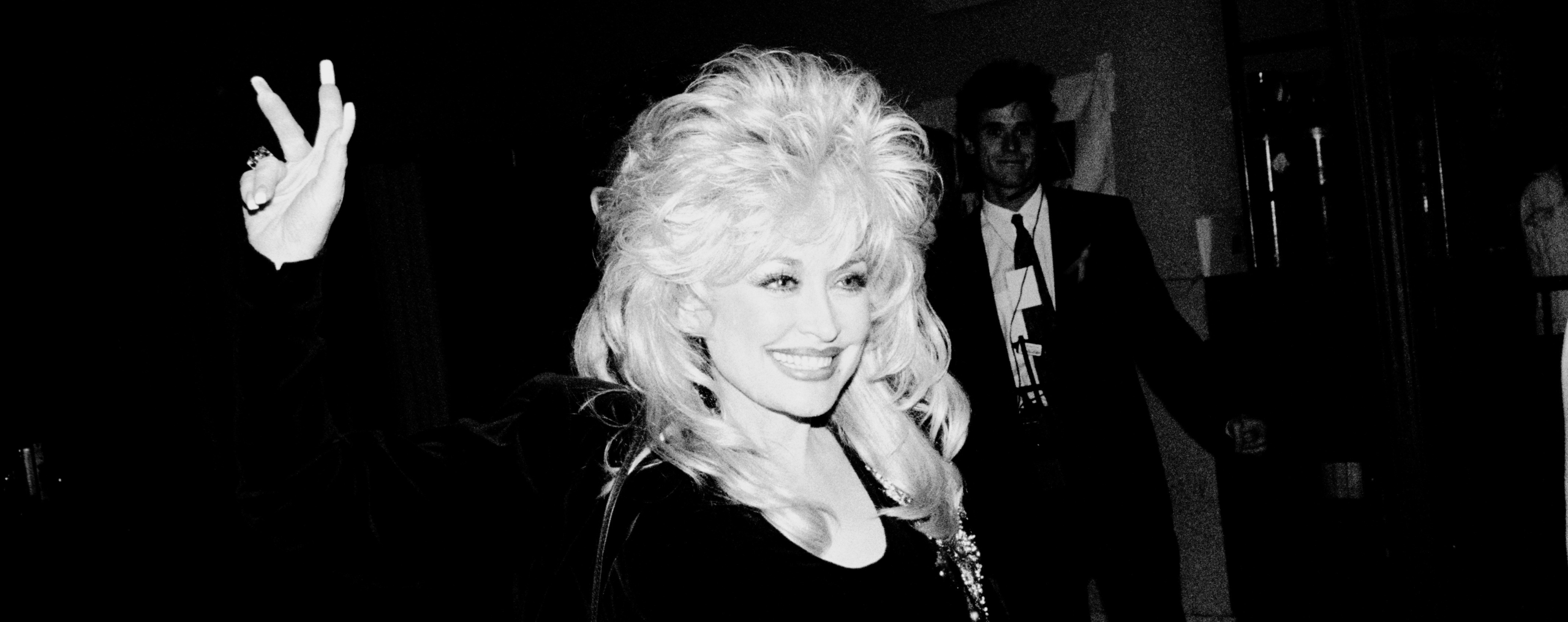
Dolly Parton died on August 25, 2026, at age 80, and the tributes pouring in from every corner of the country prove something Southerners already knew: she didn’t just sing about the South, she was the South, rhinestones, big hair, cowboy boots, and all.
When the news first hit, my seventy year old mother called to alert me. I was the first to tell my children when they got home from school, and they gasped and insisted that we play ‘Jolene’ on repeat as we worked on their art projects.They wore their WWDD (‘What would Dolly Do’) shirts to school the following day. Even my own husband had a fairly visceral response to the news, as much as he tried to mask it with masculinity immediately after. Love for Dolly has crossed generations, personality types, even genders.
Long before “authentic Southern brand” was a marketing phrase, Dolly built one from a one-room cabin in the Smoky Mountains, and every Southern creator, entrepreneur, and hostess working today is standing on ground she cleared.
There’s a particular kind of grief that settles over the South this week.
Dolly Rebecca Parton Dean was born in Sevier County, Tennessee, one of twelve children raised in a house with no running water, and she turned every part of that upbringing into the foundation of a career that made her one of the most beloved entertainers in American history. She died peacefully in Nashville after a brief battle with cancer, surrounded by loved ones, and the outpouring since has stretched from the Grand Ole Opry to the White House lawn.
For anyone building a Southern-rooted brand, home, or life, her influence isn’t a nostalgia piece. It’s a working blueprint.
From a Smoky Mountain Cabin to the World’s Idea of “Southern”
Dolly grew up outside Sevierville, Tennessee, in a landscape of hollers, tobacco farms, and close-knit mountain families. Her father, Porter Wayne Parton, farmed the land; her mother, Avie Lee, filled the house with old-time gospel and mountain ballads. That childhood, often described as dirt-poor but rich in love, became the raw material for songs like “Coat of Many Colors,” which turned a story about being teased for wearing a homemade patchwork coat into one of the most tender songs about Southern poverty and dignity ever written.
What made Dolly’s version of “Southern” so influential is that she never sanded down the rough edges to make it more palatable elsewhere. She kept the accent. She kept the humor about her own looks and background before anyone else could use it against her. She kept the mountain sayings in interviews for seven decades on the biggest stages in the world. That decision, made over and over across a career, is the actual template: Southern identity travels best when it isn’t diluted.
Dollywood and the Business of Place
In 1986, Parton put her name and money behind Dollywood, transforming the theme park in Pigeon Forge into one of the most successful tourism engines in the Southeast. She didn’t relocate her brand to a coastal city once she made it big. She built the infrastructure of her empire directly into the Smoky Mountains, and in doing so, turned an entire corner of East Tennessee into a global travel destination built on Appalachian identity rather than in spite of it.
A Southern Hospitality Icon Who Never Talked Down to Her Roots
Southern hospitality gets reduced to sweet tea and “bless your heart” in a lot of marketing copy, but Dolly modeled something more useful: warmth with zero condescension, toward herself or anyone else. She was famous for showing up for the people who worked for her, remembering names, and treating fans with the same graciousness she showed record executives.
That combination, generosity paired with sharp business sense, is a big part of why her death is being felt so widely outside of country music circles. Reba McEntire, Lily Tomlin, and a long list of politicians and fellow artists have all publicly mourned her this week, a range of tribute that reflects just how far past Nashville her reach extended.
The Style Playbook: Rhinestones, Big Hair, and Total Self-Command
Long before “unapologetically yourself” was a hashtag, Dolly built a look, big wigs, sequins, a tiny waist, and an hourglass silhouette, that she owned completely, joking often that “it takes a lot of money to look this cheap.” That line alone tells you everything about her approach to Southern style: exaggerate the region’s most-mocked stereotypes on your own terms before anyone else gets the chance.
For anyone working in Southern lifestyle branding today, that’s the real lesson. The most durable Southern brands, from fashion to food to home design, tend to lean into the region’s specific textures rather than apologizing for them.
Why Her Loss Hits the Whole South So Hard
Word of her death spread fast on Tuesday, and the reaction crossed every line that usually divides Southern audiences, political, generational, urban versus rural. Flags were ordered lowered nationwide for a week in her honor, an unusually broad gesture for an entertainer. That scale of response says something specific: Dolly wasn’t just popular in the South, she was one of the only figures the region could point to and say, “this is what we mean when we say Southern pride,” without qualification.