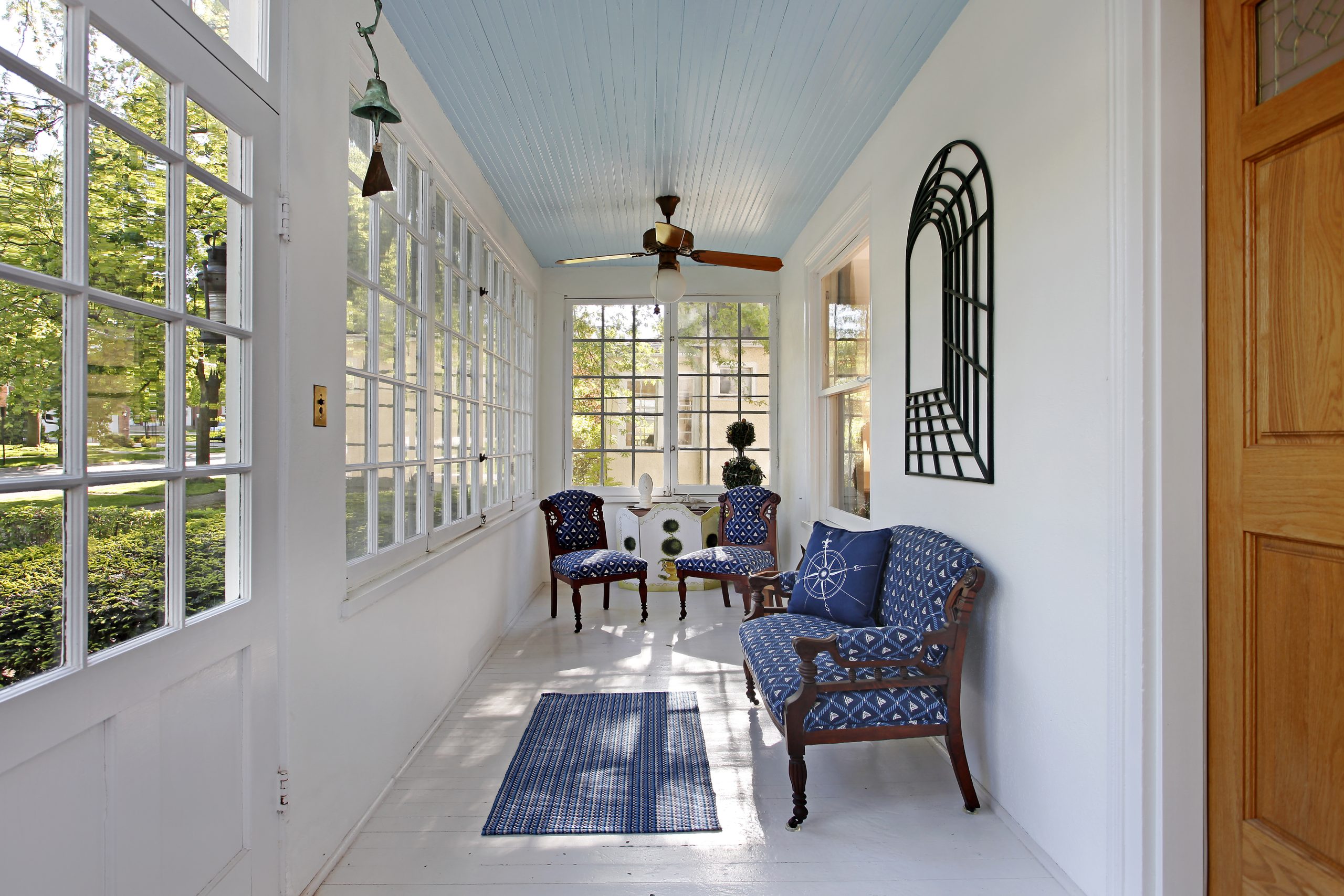
Haint blue is the classic choice for a Southern porch ceiling, but it is not the only good one. We cover the folklore behind haint blue, the paint sheen that actually survives our humidity, and other colors that work just as well on a Lowcountry porch.
What Is Haint Blue, Really?
Walk down any street in downtown Charleston and look up. Chances are good you will spot a porch ceiling painted in a soft, watery blue. That color has a name: haint blue.
The tradition traces back to the Gullah Geechee communities of the coastal Lowcountry. Gullah Geechee families are descendants of West and Central Africans enslaved on rice and indigo plantations across South Carolina, Georgia, North Carolina, and Florida, according to Historic New England. They painted doors, window frames, and porch ceilings a pale blue-green, often made from indigo, lime, and buttermilk.
Folklore says the color kept “haints,” or restless spirits, away. The story goes that haints cannot cross water, so a blue ceiling tricks them into thinking the porch is water, or sky, and they float on by. Some versions of the tale add that the color confuses wasps too, since it does not resemble open sky the way a plain white ceiling might.
We want to be clear about something here. That origin story is a folk tradition, not a proven historical fact. Nobody has documented whether haints exist or whether ceiling color actually changes wasp behavior. What is well documented, per Atlas Obscura, is the cultural and spiritual weight this color carries for Gullah Geechee descendants. Indigo tied directly to African spiritual traditions and to the forced labor of enslaved people on Lowcountry plantations. That history deserves genuine respect, even as the wasp and spirit claims stay firmly in the folklore column, as TODAY.com also notes.
We think that is the more interesting story anyway. A color with real historical roots, not just a charming rumor.
Why We Still Choose Haint Blue Today
Folklore aside, haint blue earns its spot for practical reasons too. A pale blue ceiling reflects light back down onto your porch and softens harsh shadows. It makes a covered porch feel closer to open sky, even underneath a deep roofline built for shade. That matters here, where our porches often sit under heavy overhangs.
Haint blue also plays well with almost any siding color. White, gray, brick, even bold exterior colors around the Holy City tend to look sharper against a soft blue ceiling above them. If you want to go this route, consider Benjamin Moore Palladian Blue, Sherwin-Williams Sea Salt, or Sherwin-Williams Rainwashed. All three read as classic haint blue without feeling flat or dated.
The Paint That Actually Survives a Charleston Summer
Here is the part most articles skip entirely. Color matters less than paint formulation when you live somewhere this humid.
Charleston summers bring intense heat, salt air, and the kind of rain that seems to fall sideways for months at a time. A porch ceiling in this climate takes a beating from moisture almost every month of the year. The wrong paint peels, mildews, or dulls within just a couple of seasons.
Here is what to ask for at the paint counter, based on real durability guidance rather than guesswork:
- 100% acrylic latex exterior paint. It flexes with temperature swings and resists cracking better than older oil-based formulas.
- Satin or semi-gloss sheen. A flat finish looks nice on day one, but it holds onto dirt and moisture. Satin and semi-gloss clean up easier and shrug off mildew more effectively.
- A mildew-resistant additive. Many exterior lines now build this protection right into the formula. Sherwin-Williams notes that mildew-resistant coatings matter most in exactly the humid, shaded spots where a covered porch ceiling sits day after day.
- A formula built specifically for humid environments. Benjamin Moore’s Element Guard line targets high-moisture conditions, which describes most Lowcountry porches for a solid six months of the year.
Skip flat paint on a porch ceiling entirely. It remains the single biggest mistake we see homeowners make around here.
Beyond Haint Blue: Other Southern Porch Ceiling Colors We Love
Haint blue is not a rule, just a starting point. Plenty of beautiful Charleston porches wear something else entirely, and each option brings its own personality to a home’s exterior.
Charleston Green
Charleston green is a near-black, deeply saturated green that shows up on doors and shutters throughout the historic district. On a ceiling, it reads moody and dramatic instead of soft and airy. It works best on porches that already receive plenty of natural light, since darker colors will not bounce light the way a pale color does.
Warm Cream or Soft White
Warm cream or soft white brightens a shaded porch without leaning into coastal cliche. It also pairs beautifully with the kind of layered, floral porch styling we love around here every spring and summer.
Sage or Verdigris Green
Sage or verdigris green borrows its palette straight from the garden just past the porch rail. These muted greens suit homes surrounded by live oaks and jasmine, tying the architecture to its landscape instead of the sky above it.
Soft Seafoam
Soft seafoam blends blue, green, and gray into one versatile shade. It gives you a little of that classic haint blue effect with a slightly more contemporary edge.
How to Choose Based on Your Porch's Orientation and Light
Not every porch faces the same direction, and orientation genuinely changes which color reads best throughout the day.
North-facing porches receive less direct sunlight and can feel a little dim by comparison. Lean toward lighter shades here. Pale haint blue, seafoam, or warm cream will all bounce back whatever light you have available.
South and west-facing porches take a harder hit from afternoon sun. Deeper colors like Charleston green or a richer sage hold their own here without washing out or looking bleached by midafternoon.
Porches tucked under deep overhangs stay shaded for most of the day. These are exactly the spots where lighter colors do the most visual work, opening up a space that would otherwise feel a bit like a cave.
How to Choose Based on Your Porch's Orientation and Light
If your home already leans into a particular look, like Coastal Grandmother versus classic Southern style, let that aesthetic guide your palette. Coastal Grandmother pulls toward soft blues and breezy whites, while a more traditional Southern look might lean into deeper greens or classic haint blue paired with black shutters.
And if you are debating whether your whole exterior should lean French Cottage or farmhouse, that same style question applies directly to your porch ceiling too. Softer, chalkier colors tend to complement that particular aesthetic best.
Test Your Color Before You Commit
Before you commit to a full gallon, test the actual color on your actual porch. Paint chips look noticeably different under fluorescent store lighting than they do under a shaded overhang at four in the afternoon.
Buy a small sample and brush it onto a poster board, then prop that board against your ceiling for a full day. Watch how the undertones shift from morning light into evening light. A blue that looks crisp at noon can turn surprisingly gray by dusk, especially on porches with heavy tree cover overhead.
Pay close attention to your brick, siding, and trim color too. A shade that looks beautiful in isolation can clash once it sits above your actual architecture. This is exactly why local designers recommend testing on-site instead of trusting a paint chip alone.
Porch Ceiling Painting Mistakes to Avoid
A few mistakes show up again and again on Charleston porches, and they end up costing homeowners a full repaint within a year or two.
- Skipping primer. Bare wood or old, chalky paint needs a proper primer coat underneath, especially in a climate like ours. Without it, even premium paint struggles to adhere long-term.
- Painting directly over mildew. Mildew spores survive underneath a fresh coat and bloom right back through within months. Scrub the ceiling with a mildew-specific cleaner first, rinse thoroughly, and let it dry completely before any paint touches the surface.
- Using interior paint outdoors. Interior formulas lack the flexibility and mildew resistance that exterior conditions genuinely demand. It might look fine for a season, then it tends to fail fast once summer humidity settles in.
- Painting during the wrong weather window. Extreme heat, high humidity, or an incoming rain system will all compromise your finish. Aim for a mild, dry stretch instead, and give each coat the full drying time the label recommends before adding the next.
Our Bottom Line
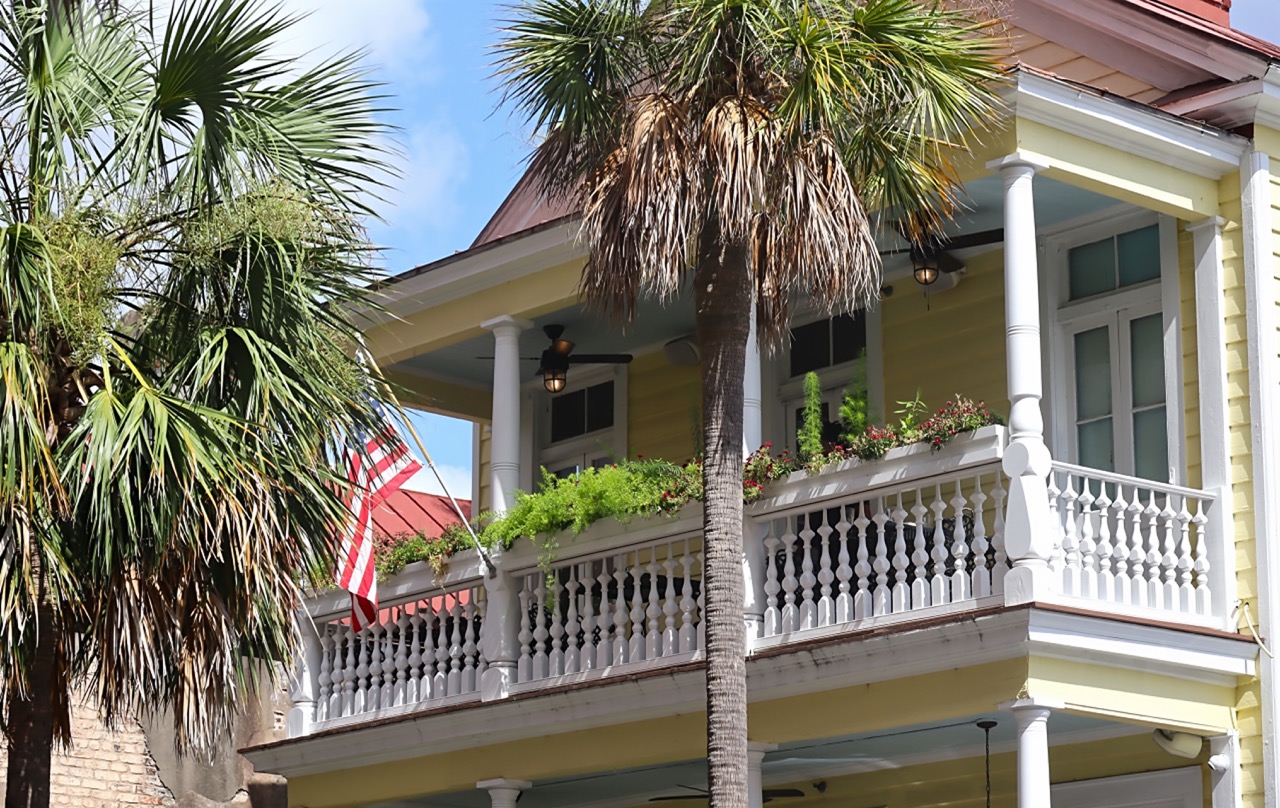
Haint blue earns its reputation honestly. The folklore is charming, the color looks good on nearly every house, and it carries real cultural roots worth understanding. But it is not your only option, and it is not even the most important decision waiting for you here.
Pick a paint built for humidity first. Pick your color second. Get those two decisions right, and your porch ceiling will look good for years to come, not just for one dry spring.
Want more ideas for pulling your whole porch and home together? Browse our Home & Design archive for more Lowcountry-tested style guidance.