
Coastal grandmother is a 2022 internet microtrend built around linen, neutrals, and Nancy Meyers movie kitchens. Southern coastal (Lowcountry) style is a real, centuries-old regional tradition with its own colors, materials, and history, rooted right here in places like Charleston. They overlap in mood, but they are not the same thing, and knowing the difference will save you from buying the wrong throw pillows.
We see it in comment sections constantly. Someone posts a photo of a blue porch ceiling and a sisal rug, and someone else calls it “such coastal grandmother energy.” We get why. Both aesthetics love linen. Both love a little wicker. Both want you to feel like you’re on vacation in your own kitchen.
But coastal grandmother and southern coastal style come from very different places. One was born on TikTok in 2022. The other was born on this coast a couple hundred years ago. Holy City based, we feel strongly about getting this one right.
Coastal grandmother is an internet aesthetic, not a regional one. TikTok creator Lex Nicoleta coined the term in early 2022 to describe a specific vibe: clean wardrobes, open kitchens, and a gentle, moneyed beach life. She pointed straight at Nancy Meyers films for the reference, especially Something’s Gotta Give and It’s Complicated, plus a little bit of Ina Garten energy in the kitchen.
The look spread fast. Diane Keaton and Anne Hathaway got cited as unofficial icons. Big fashion and home outlets picked it up within weeks, and it turned into a full-blown online aesthetic almost overnight.
Coastal grandmother style leans on:
It’s less about where you live and more about a feeling you’re borrowing from a movie. That’s not an insult. It’s just a different kind of style than something that grew out of a specific place.
Southern coastal style, sometimes called Lowcountry style, is not a trend. It’s a regional design language that developed over generations along the coast of South Carolina, Georgia, and North Carolina. It has real history attached to it, and that history matters.
Take haint blue. That pale blue you see painted on porch ceilings across Charleston isn’t a random decorating choice. The tradition comes from the Gullah Geechee people, descendants of enslaved West and Central Africans who lived and worked in the Lowcountry. In Gullah tradition, the color was meant to confuse “haints,” or restless spirits, into thinking the ceiling was sky or water they couldn’t cross. The pigment itself traces back to indigo, once grown across Lowcountry plantations. That’s not a design trend. That’s a living cultural tradition still visible on porches today.
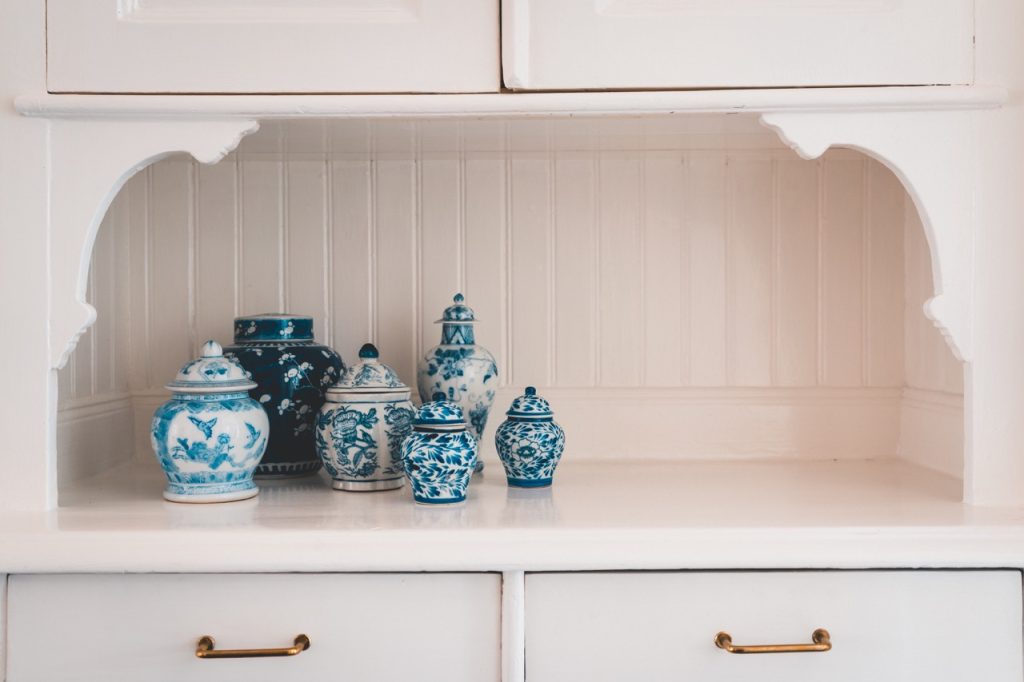
Then there’s chinoiserie, those blue-and-white patterns and lacquered finishes you’ll spot in Charleston dining rooms. It’s not a random import from a catalog. Charleston was once one of the busiest ports in colonial America for trade with China and other parts of Asia, and that trade history shaped the city’s design vocabulary in a real, traceable way.
And Charleston green, that near-black green you see on shutters and gates across the Historic District, has its own documented backstory tied to post-Civil War paint shortages and local lore. It shows up on wrought iron, piazza ceilings, and front doors all over downtown.
Southern coastal style leans on:
If you want a deeper walk-through, we’ve got a full Lowcountry style decorating guide and a breakdown of haint blue paint colors that actually work.
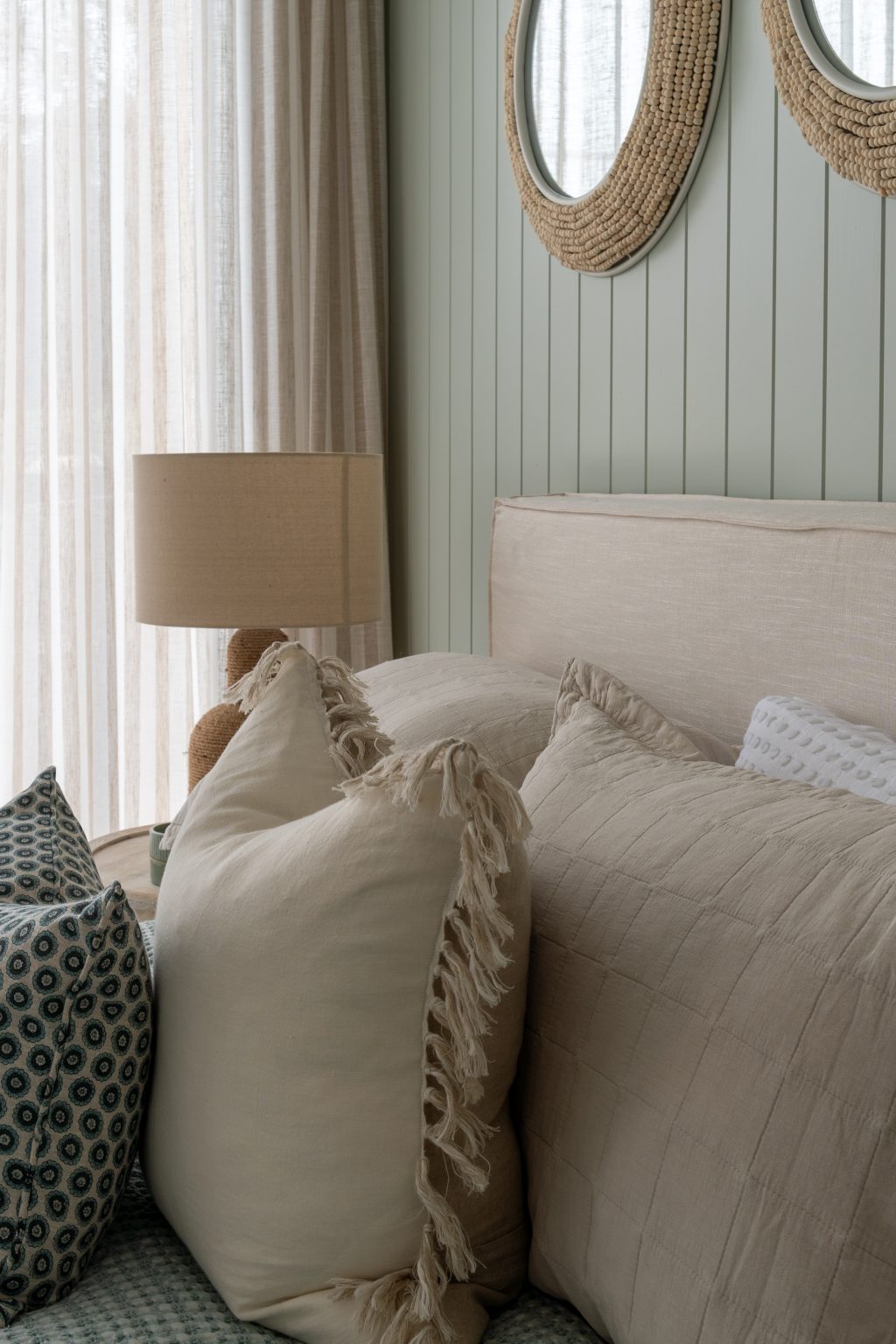
Here’s the short version. Coastal grandmother is a mood, invented recently, inspired by movies, and built to be shoppable. Southern coastal style is a place, built over generations, tied to real cultural history, and not something you can fully buy off a shelf.
Coastal grandmother is intentionally quiet. It avoids pattern and color on purpose. Southern coastal style is not afraid of pattern, color, or a little bit of shine. Brass, chinoiserie, and Charleston green all bring more personality and contrast than the coastal grandmother palette allows.
Coastal grandmother could be set in Nantucket, the Hamptons, or anywhere with a beach view. Southern coastal style is specific. It couldn’t exist without the Lowcountry, without Gullah Geechee history, without Charleston’s trade past. Swap out the location and you lose the meaning.
One more thing worth saying plainly: coastal grandmother is a named trend, which means it has a shelf life. Southern coastal style isn’t trying to trend. It’s just how this coast has looked and lived for a long time.
We don’t want to overstate the split. Both styles share real DNA. Linen, sisal, rattan, and a general “let’s relax” attitude show up in both. Both favor comfort over formality and neither one wants a stiff, matchy showroom look. That overlap is exactly why people confuse them online.
The difference shows up in the details: the specific blue, the specific brass, the specific history behind the pattern on your curtains. Southern coastal style just carries more weight in those details.
Ask yourself these questions honestly.
If you answered mostly neutral, calm, and general, you’re probably drawn to coastal grandmother. If you answered specific, storied, and a little bit bold, southern coastal style is your actual lane. Plenty of us land somewhere in the middle, and that’s fine too. This isn’t a purity test.
Trend cycles move fast, so it’s fair to ask. As of 2026, coastal grandmother is still very much alive, but it has splintered a bit. Related offshoots like “coastal nothingness” and “grandmillennial” style have popped up, and some fashion coverage is now pointing toward a punchier “Sicilian Summer” look as a seasonal rival. None of that changes anything about southern coastal style, because it was never tied to a trend cycle in the first place. That’s worth remembering the next time a new named aesthetic takes over your feed.
Plenty of us mix these two on purpose, and it works. Start with the calm coastal grandmother base: linen slipcovers, a neutral wall color, an easy open kitchen. Then layer in the specific southern pieces that give it a sense of place: a haint blue ceiling on the porch, brass hardware on the cabinets, one great chinoiserie piece passed down or found at an estate sale. You get the comfort of one style with the identity of the other.
If you’re building out a full wardrobe or home refresh in this direction, our guides on southern style wardrobe staples and quiet luxury southern living go deeper on how to blend the two without your space feeling like a theme park.
We’d also point you to our earlier deep dive on southern decor vs. farmhouse style, since it’s the same kind of “everyone treats these as the same thing, and they’re really not” breakdown we just did here.
At the end of the day, there’s no wrong answer here, just a more honest one. Coastal grandmother borrows a feeling. Southern coastal style comes from a place. Knowing which one you’re actually chasing will make your next decorating or closet decision a lot easier, and a lot more you.
Curious what southern coastal style looks like in an actual Charleston home? Take a walk through our historic downtown Charleston guide and see the real thing in person, then come back and tell us which look won you over.